SecurityThreats & vulnerabilitiesNote
Cursor: a key its vendor exposed led to a fake Claude Code extension for up to 5,000 users
Cursor’s update of 13 November: how a key it gave Fireworks AI led, through stolen traces and credentials, to a fake extension served for 11 hours, and what to check.


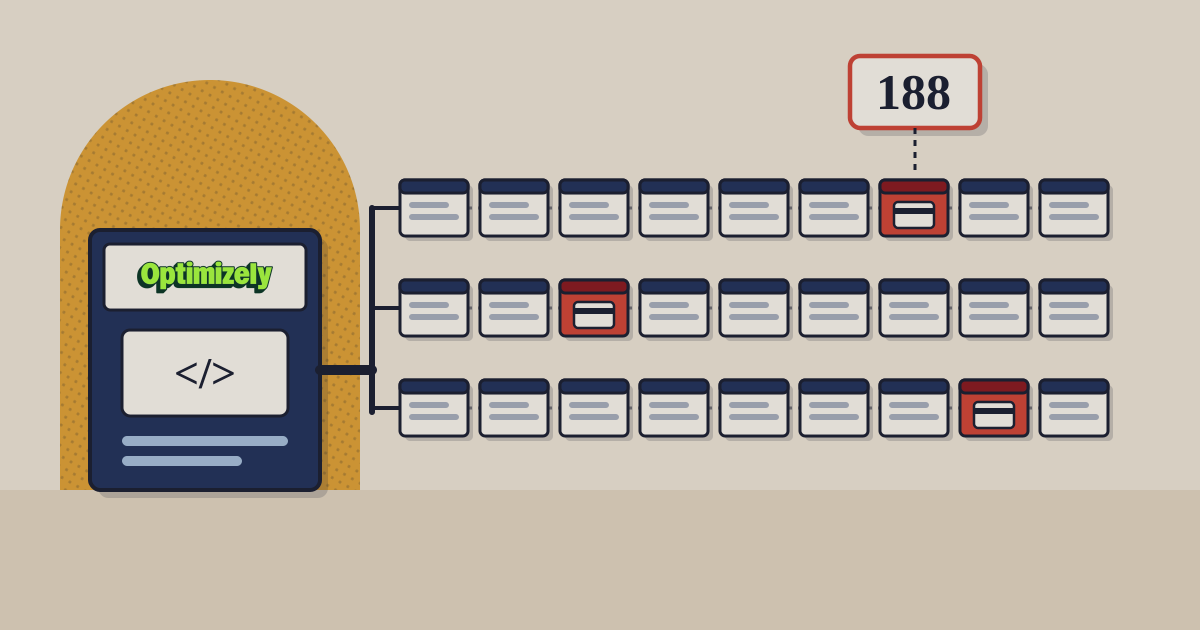
A malicious copy of the Claude Code extension, versions 2.1.312 and 2.1.313, sat on the cache that serves Cursor’s VS Code extension marketplace for about 11 hours on 29 October, and at most 5,000 users who requested those versions that day may have received it. Cursor’s update of 13 November traces it to an access key Cursor had issued to its model vendor, Fireworks AI, which “was exposed by Fireworks”.1 Anthropic, which publishes the genuine extension, did not publish the copy, and Cursor says this was not a vulnerability in Anthropic’s product; Open VSX, the marketplace’s source, never had the malware.1
~11h
the fake extension was available, 2:27am to 1:35pm PT on 29 October
Cursor
5,000
users at most who may have received it
Cursor
0.05%
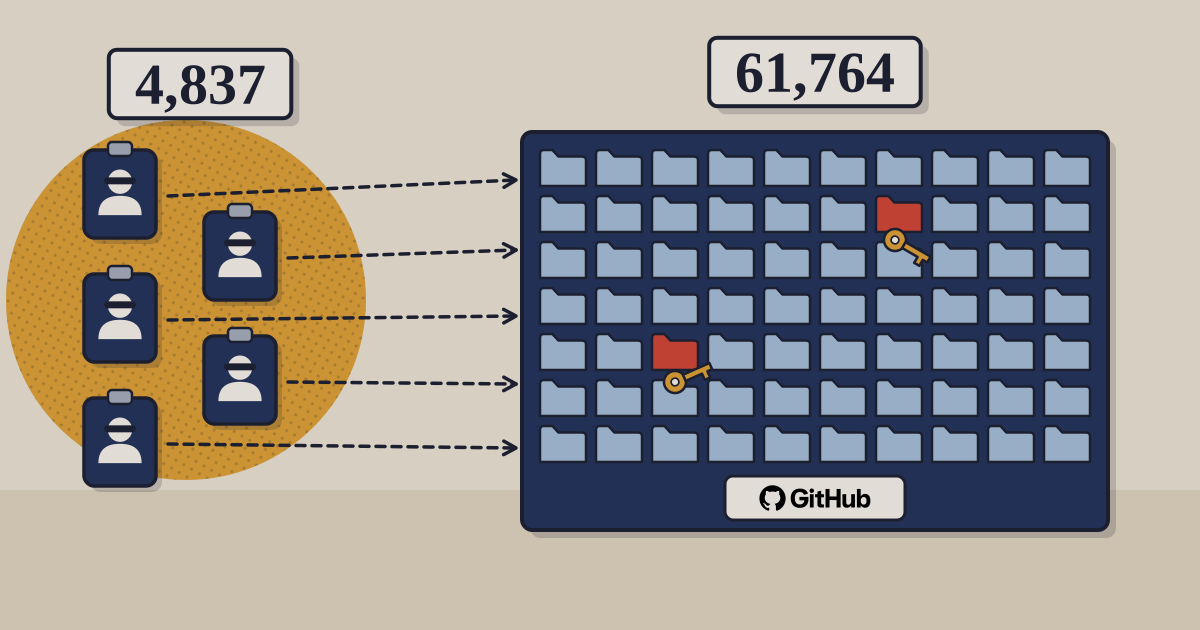
of users, at most, had coding-agent traces exposed
Cursor
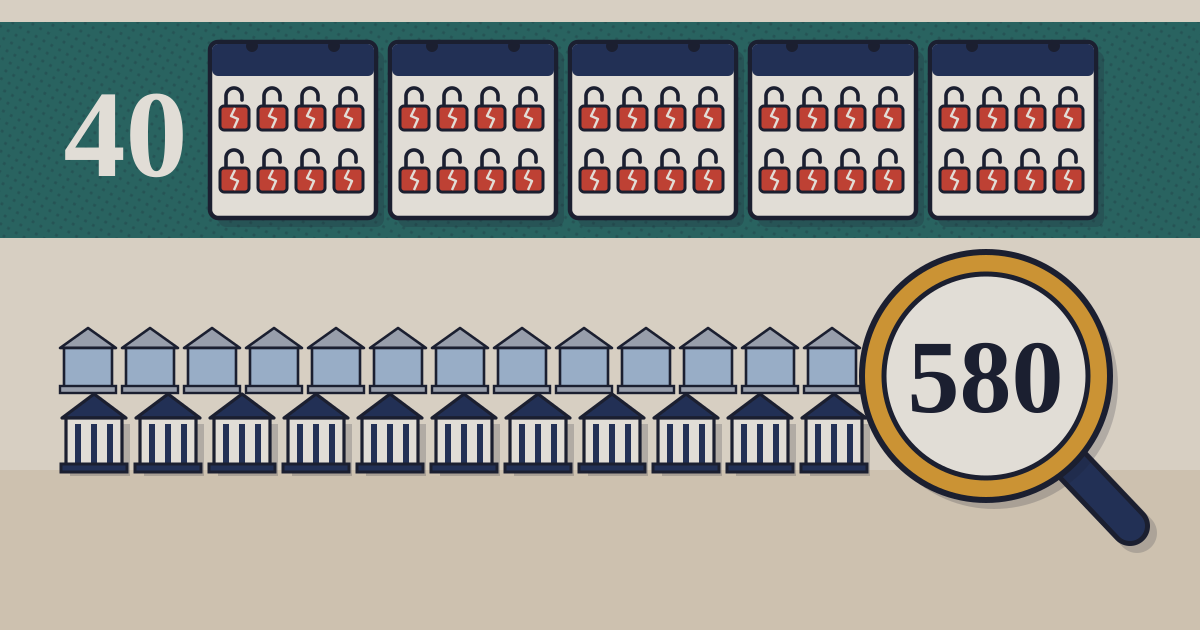
0.01%
of customers, at most, had API credentials exposed
Cursor
01Four steps from a vendor’s key to a user’s laptop
Cursor shared data with Fireworks through a read-only storage bucket. It held coding-agent traces, the records of agent sessions, mostly from 2025 and only from sessions not in Privacy Mode, which Cursor was permitted to use for model training. The attacker used the key to copy them. A few traces held credentials that had not been redacted, and with those the attacker reached some of the SaaS tools Cursor uses: archived non-production code, limited support emails, usage metrics and contacts, and some credentials users had sent to Cursor’s support team. A credential found there opened the marketplace cache.1
A key Cursor gave its model vendor ended, four steps later, in a backdoored extension
The chain of access in Cursor's incident, as Cursor describes it, October to 1 November 2026
- 01
Key exposed at Fireworks
An access key Cursor issued to Fireworks AI opens a read-only bucket of coding-agent traces. - 02
Credentials in traces
Unredacted credentials in a few traces lead into SaaS tools Cursor uses, and to more credentials. - 03
Cache altered
On 29 October a stolen credential places Claude Code 2.1.312 and 2.1.313 copies on the marketplace cache. - 04
Backdoor attempted
For about 11 hours, up to 5,000 users may get a build that adds an SSH key and tries to open a tunnel.
Source: Cursor, security notice of 29 October and update of 13 November 2026 · as of 16 November 2026, 11:30pm IST
The copy sent host and user details to the attacker, added the attacker’s SSH key to the user’s authorised keys, installed a task to keep a reverse SSH tunnel running, and tried to switch on the computer’s SSH service. On most macOS and Windows machines that last step needs administrator rights the extension did not have, so it failed and the attacker could not log in through the tunnel. Cursor worked with the hosting provider to take the attacker’s server offline.2
02What it did not reach, and what changed
Cursor says the attacker did not reach Privacy Mode prompts and code, live traffic, production systems, customer code repositories, any other extension, or the Cursor app and its updates, which ship from a separate code host; no release signing keys were exposed. The last attacker activity it saw, on 1 November, was blocked. It has moved all inference off Fireworks, rotated every credential in use across its internal systems, and added secret scanning to its code and other internal data.1
Fireworks’ own bulletins do not name Cursor. It found unauthorised use of internal credentials on 6 October, with secrets stored in customers’ evaluation jobs captured; by 9 November it had also found account and billing data, and for some accounts datasets and incomplete models, accessed.34 Fireworks also appears in our Note on Railway’s US$740,000 of stolen AI keys.
03What to check
Cursor’s steps apply to anyone who installed or updated to 2.1.312 or 2.1.313 from its marketplace on macOS or Windows in the window (09:27 to 20:35 UTC on 29 October; 2:57pm to 2:05am the next day in IST). Look for an SSH key labelled svc-telemetry in the authorised-keys file; if it is there, isolate the machine, run Cursor’s clean-up script, remove the key, the persistence tasks and any tunnel process, and rotate every credential reachable from it, from a different machine. Uninstalling the extension may not be enough: the payload leaves scripts that keep running.2 Team admins whose keys were exposed were sent a list to rotate.1
Sources
- Cursor: An update on our recent security incident — 13 November 2026
- Cursor: Security notice: malicious version of Anthropic.claude-code (2.1.312 and 2.1.313) identified in the Cursor VS Code Extension Marketplace — 29 October 2026, updated 30 October 11:30am PT
- Fireworks AI: Fireworks October 2026 security incident (security bulletin) — 9 October 2026, last updated 10 October
- Fireworks AI: Update on October 2026 security incident — 9 November 2026
Disclosure. TechBag is a software reseller: it earns when companies buy through it, including from vendors named here. The analysis is TechBag’s own; no vendor paid for or saw this piece before publication. Facts are labelled reported, TechBag count or our view.
Keep reading