SecurityThreats & vulnerabilitiesNote
RIKEN took Fugaku offline after a break-in via its dashboard; up to 4,222 users hit
RIKEN’s notice of 16 November: an intruder inside Fugaku’s network from 10 to 13 November, users’ SSH keys among the files that may have left, and what users must revoke.

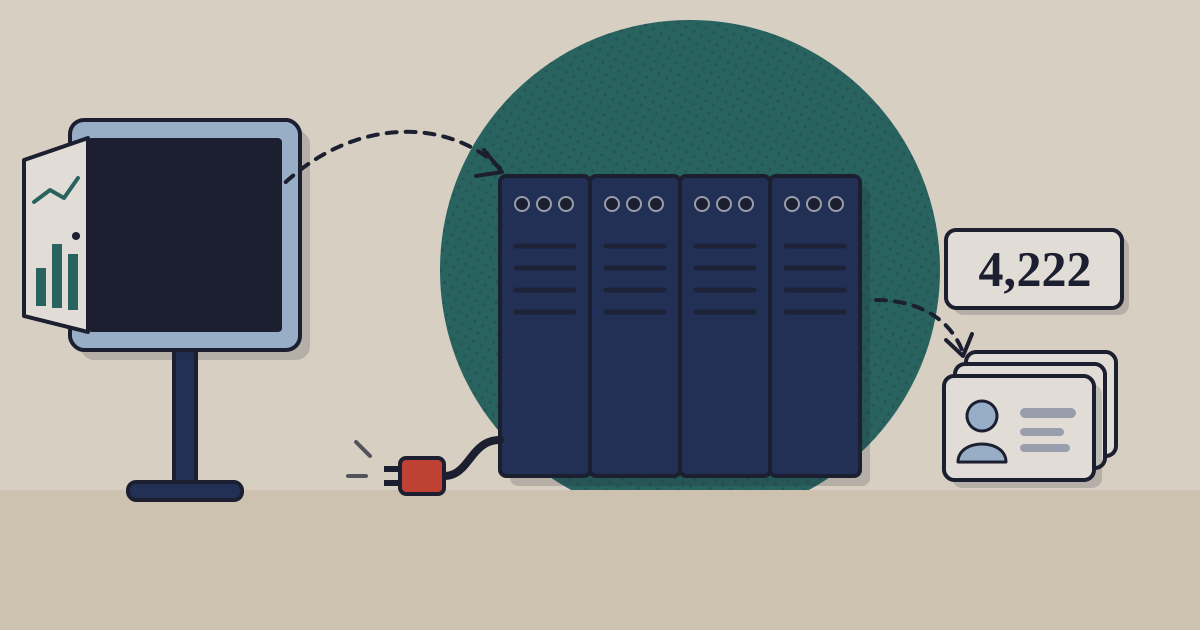
RIKEN has taken Fugaku, Japan’s flagship supercomputer, offline after an outsider got into the network that runs it through a web page showing the machine’s operating status, published on the internet. Between 10 and 13 November the intruder used that dashboard as a foothold, tampered with several internal servers, and took, or may have taken, files from users’ home directories along with the names, email addresses and user IDs of up to 4,222 registered Fugaku users. The files include SSH private keys and access keys that users had stored to connect to systems outside RIKEN, and RIKEN has confirmed the intruder tried some of them on other systems.12
4,222
registered Fugaku users whose names, emails and IDs may have left
RIKEN
375
registered users of RIKYU, RIKEN’s AI for Science machine, also named
RIKEN
10–13 Nov
the intruder inside Fugaku’s operations network
RIKEN
04:30
JST on 14 November: Fugaku stopped and cut off from outside
RIKEN
01In through the dashboard
The system involved is maintained by an outside contractor, which detected suspicious traffic on 12 November. RIKEN confirmed the unauthorised access at 16:33 Japan time on 13 November, isolated the system used to get in that night, and stopped Fugaku at 04:30 on 14 November, cutting access from outside. How the intruder got from the dashboard into the operations network is still under investigation, but RIKEN’s plan to restart includes fixing “vulnerabilities in the exploited software”. Malicious programs were installed on some of the servers.12 RIKEN names no one behind the access.
The user records cover up to 4,597 people: up to 4,222 Fugaku users with names, email addresses and IDs, and up to 375 users of RIKYU, with names and email addresses.1 RIKYU is the AI for Science supercomputer R-CCS opened for full operation on 14 October, 400 nodes holding 1,600 Nvidia B200 GPUs.3 RIKEN says it has found no concrete evidence that research data left the system, and is still checking whether the files hold third parties’ personal data.1
RIKEN stopped Fugaku 12 hours after confirming the break-in, and told users two days later
RIKEN’s account of the incident, 10 to 16 November 2026, Japan time (JST; IST in each detail)
Show tableHide table
| Date | Event | Detail |
|---|---|---|
| 10 Nov 2026 | Intruder gets in | Through the public status dashboard; inside until 13 November |
| 12 Nov 2026 | Suspicious traffic | Detected by the outsourced maintenance contractor |
| 13 Nov 2026 | Access confirmed | 16:33 JST, 1:03pm IST; ministry told at 20:59 JST |
| 13 Nov 2026 | Entry system isolated | 22:07 JST, 6:37pm IST |
| 14 Nov 2026 | Fugaku stopped | 04:30 JST, 1:00am IST; outside access cut |
| 14 Nov 2026 | Admin keys replaced | 20:20 JST, 4:50pm IST |
| 15 Nov 2026 | Jobs halted, users told | 16:18 JST, 12:48pm IST; all login keys invalidated |
| 16 Nov 2026 | Privacy regulator told | 17:55 JST, 2:25pm IST; notice published 16 November |
Source: RIKEN, notice of 16 November 2026 (Japanese and English versions) · as of 18 November 2026, 10:30pm IST
02Why the stored keys matter more than the names
An SSH private key is the half of a key pair that proves who you are; any server that holds the matching public key lets its holder in, with no password. Researchers who run work across several machines often keep such keys in their home directory. RIKEN says the intruder tried some of the credentials taken from Fugaku to connect to other systems, and it is working with the relevant agencies to find out whether that caused further damage.1 It has reported the incident to the education and science ministry (MEXT), the bodies of Japan’s shared HPCI supercomputing network, and the Personal Information Protection Commission.1
On 15 November RIKEN halted every running and queued job, invalidated all users’ login keys and asked users to revoke any key or credential they had stored on Fugaku at each service that accepts it, then issue new ones. It also warns of emails pretending to come from RIKEN: it never asks for passwords by email. Fugaku will return only after the exploited flaws are fixed, the compromised servers rebuilt and the network reviewed, and RIKEN gives no date.1
Fugaku, built by Fujitsu with 7,630,848 cores, was the world’s fastest on four TOP500 lists, from June 2020 to November 2021; it is ninth on the November 2026 list.4 It succeeded the K computer and entered shared use in March 2021.1
Sources
- RIKEN, スーパーコンピュータ「富岳」および「理究(りきゅう)」への不正アクセスによる個人情報漏えいの可能性について (in Japanese) — 16 November 2026
- RIKEN, Notice regarding a possible personal information leak affecting Fugaku and RIKYU users following unauthorized access to the supercomputer Fugaku — 16 November 2026
- RIKEN R-CCS, AI for Science開発用スーパーコンピュータ「理究」の本運用を開始しました (in Japanese) — 13 November 2026
- TOP500, Supercomputer Fugaku: system page and list rankings — November 2026 list; read 18 November 2026
Disclosure. TechBag is a software reseller: it earns when companies buy through it, including from vendors named here. The analysis is TechBag’s own; no vendor paid for or saw this piece before publication. Facts are labelled reported, TechBag count or our view.
Keep reading